
Sleep, immunity and COVID-19
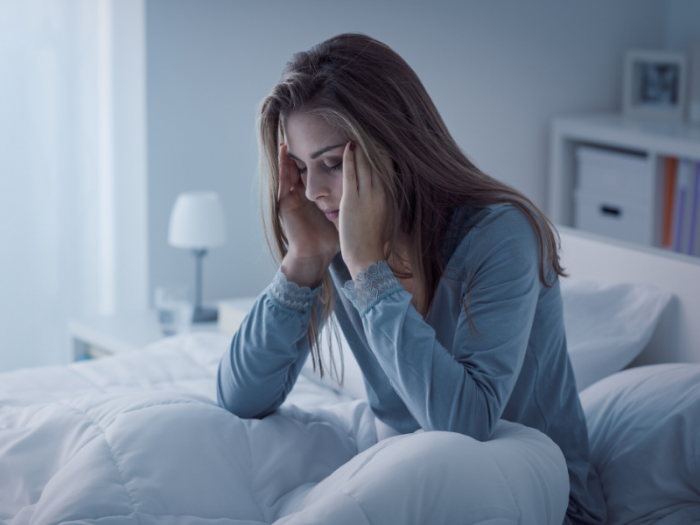
Trying to do everything you can to stay healthy right now?
With Covid-19 being at the forefront of everyone’s minds, sleep has never been so important.
In times of stress, we may under or over-eat, lose interest in activities, feel agitated and even struggle to concentrate. You may also experience sleeping problems – with difficulties falling asleep and staying asleep. Stress causes hyperarousal which can upset the balance between sleep and wakefulness.
So can a good night’s sleep boost your immune system?
Yes, lack of sleep can affect your immune system. Studies show that those of us who don’t get good quality sleep or sufficient sleep are far more likely to get sick after being exposed to a virus, such as a common cold virus. Lack of sleep can also affect how fast you recover if you do get sick.
During sleep, your immune system releases proteins called cytokines, some of which help to promote sleep. Certain cytokines need to increase when you have an infection or inflammation, or when you’re under stress. Sleep deprivation may decrease production of these protective cytokines. In addition, infection-fighting antibodies and cells are reduced during periods when you don’t get enough sleep.
So, yes your body needs sleep to fight infectious diseases.

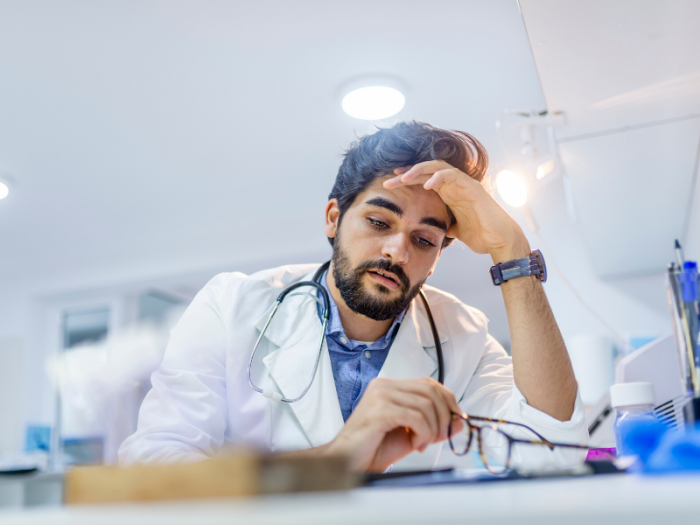
Sleep is even more critical for Key workers
Having insufficient sleep can affect us all, specifically when we encounter stress and anxiety. This has a double impact as it create’s the “flight or fight” response, which in turn triggers an inappropriate response from the immune system.
A lack of REM sleep by overworking does the same thing – so doctors and nurses presently working long hours are much more vulnerable, and not just through the exposure of the coronavirus.
Your body’s immune response, whilst you have a virus does everything it can to fight infection and speed up recovery. This response to the virus will make you tired and sleepy.
If you don’t give yourself any down time and push yourself too hard then it could prolong the illness. Whilst fevers most often occur during sleep and your body needs to respond by breaking out into a fever in order to overcome the virus. Your body is almost fighting a losing battle.

How much sleep do you need to maintain a healthy immune system?
The optimal amount of sleep for most adults is seven to eight hours of good sleep each night. Teenagers need nine to 10 hours of sleep. School-aged children may need 10 or more hours of sleep.
But too much sleep isn’t always good for us either. For adults, sleeping more than nine to 10 hours a night may result in a poor quality of sleep, such as difficulty falling or staying asleep. So best aim for a good 8 hours of sleep each evening.
Don’t forget to give your sleep the time it deserves. Sleep really could be a lifesaver.
Comments are closed here.